Do Hyper Heat Mini Splits Always Need 230V Power?
If you're considering installing a hyper heat mini split for your cold climate home or workspace, you've probably heard that these systems require 230V power. But is that always the case? In this post, we'll dig into the electrical requirements of hyper heat mini splits, discuss the differences between 115V and 208/230V units, and clear up common confusions around installation, line sets, and cold-weather performance.
We'll also mention some popular brands like FineHomeKeeping, Zone Air, and MRCOOL, and talk about handy tools (or the lack thereof) like systems with no vacuum pump required and no manifold gauges required. Plus, we'll explain why it's important to understand the real electrical demands before buying — and why sizing by square footage alone could lead you astray.
Electrical Requirements: 115V vs 208/230V
First things first: what voltage power does a hyper heat mini split need? The answer isn't always straightforward because many units are marketed differently depending on capacity and brand.
What Voltage Is Available?
Before you even pick a brand or model, check what voltage lines you have available at the proposed installation site. This is a key question I always ask my friends and family when helping with ductless installs. Garages and bonus rooms, for example, often only have 115V outlets, while new construction or workshops might have mini split mute mode 208/230V circuits ready.
208/230V Is Common for Higher Capacity Units
Hyper heat mini splits, which are rated to maintain heating capacity in very cold temperatures (like -13°F or even -22°F), often require 208/230V power for the larger compressor motors and improved efficiency. Brands like Zone Air and FineHomeKeeping typically design their cold climate heat pumps in this voltage range.
Using 208/230V means the unit can draw less current for the same output, which can translate into lower wiring costs and better overall system performance.
115V Units Exist but with Limits
Some models, including offerings from MRCOOL, offer 115V hyper heat mini splits. These are generally in the lower capacity range. While more convenient in retrofit situations where no 230V wiring exists, these may have tradeoffs:
- Lower maximum capacity — you might not get the full heating output you need for very cold climates.
- Possibility of longer run times due to limited compressor power.
- Potential for increased electrical load on 115V circuits that may force wiring upgrades.
Understanding Cold-Weather Performance Ratings
When shopping for a cold climate heat pump, pay close attention to the cold-weather heating ratings. Manufacturers will often list performance down to specific temperatures like -13°F or -22°F.
Temperature Rating Heating Capacity Typical Voltage Brands/Examples -13°F (-25°C) Standard hyper heat rating 208/230V common FineHomeKeeping models, Zone Air units -22°F (-30°C) Extreme cold rating for regions with harsh winters Mostly 208/230V Some high-end Zone Air and premium MRCOOL unitsIt's important not to assume that colder rating means you must have 230V, but in practice, higher performance at extreme low temps usually pairs with higher voltage requirements.
The Role of Quick Connect Valves and Pre-Charged Line Sets
One reason DIYers love mini splits is the availability of pre-charged line sets and quick connect valves, which reduce the need for specialized tools like vacuum pumps and manifold gauges.
- Pre-charged line sets: These come with refrigerant sealed inside, so you don’t have to do any recharge or vacuuming yourself.
- Quick connect valves: Designed to snap together with minimal tools, though the term 'tool-less' can be misleading because some tightening and torquing with proper wrenches is always needed for leak-proof connections.
Brands like MRCOOL have pioneered mini splits marketed as "no vacuum pump required" and "no manifold gauges required." This can simplify the install for handy DIYers who feel comfortable working near electrical panels and understand refrigerant handling basics.
But—Know Your DIY Limits
Even with all these user-friendly features, some aspects remain tricky:
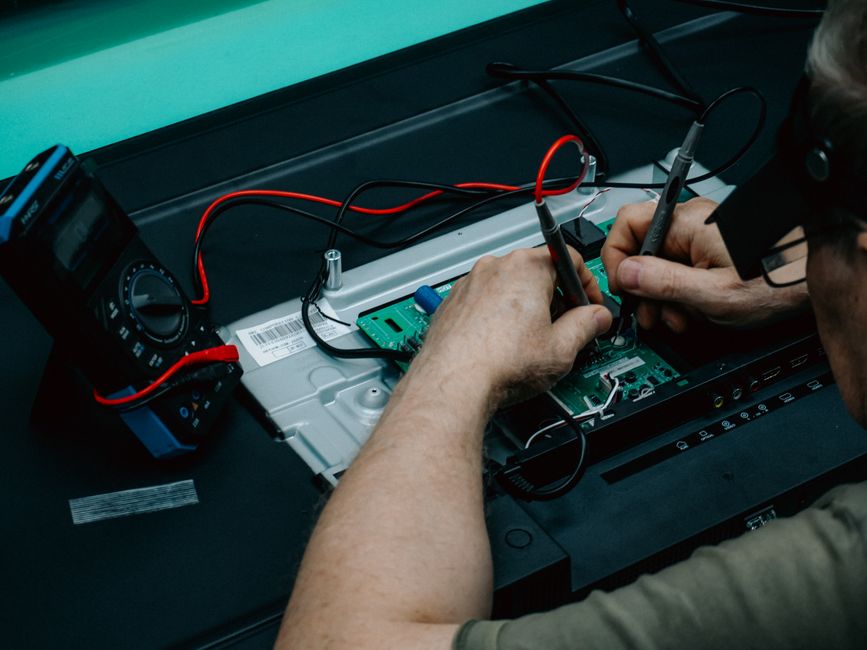
- Electrical work: Wiring a 208/230V circuit often requires a licensed electrician. Don’t assume you’ll avoid electrical permits or upgrades just because the unit is 'easy install.'
- Proper torque on flare connections: Yes, quick connect valves help, but flare fittings on line sets still need torque wrenches, not just hand-tightening.
- Disconnect and breaker sizing: The NEC code requires appropriate-sized breakers and disconnects for 230V units, which might mean a panel upgrade.
- Drainage and snow clearance: Mini splits with outdoor units require a clear drainage path to prevent water and ice buildup in freezing climates.
Common Mistakes and Misleading Marketing
One frustration I often see is marketing that implies zero electrical work or tool-less flare connections. Here’s why you should be skeptical:
- No prices listed in most scraped online content: Many websites omit pricing or list placeholder prices, so don’t rely on that for budgeting.
- Tool-less flare connections: Flare fittings always need proper torque tooling for safety and leak prevention. Self-tightening claims are exaggerated.
- Sizing by square footage only: Every space is different in insulation quality, ceiling height, and cold exposure. Electrical readiness is just as important as physical room size.
Summary: Do Hyper Heat Mini Splits Always Need 230V?
Here’s the quick takeaway:
- Most hyper heat mini splits designed for extreme cold (below -13°F) use 208/230V power. This voltage supports higher capacity compressors and better efficiency.
- 115V hyper heat mini splits exist, but their heating capacity is limited, and they often come with compromises in cold-weather performance.
- Check your electrical availability first. Knowing if you have 115V or 208/230V will narrow your brand and model options dramatically. This question comes before brand loyalty or size calculations.
- Quick connect valves and pre-charged line sets reduce barrier to DIY installs but don't eliminate the need for proper electrical installation and connection torque.
- Beware of marketing that glosses over electrical realities or tool needs. Always confirm your local codes and safety requirements.
Helpful Checklist Before Buying or Installing a Hyper Heat Mini Split
- Confirm available electrical voltage and circuit capacity.
- Review cold-weather heating ratings based on your local climate extremes.
- Check whether the system includes pre-charged line sets and quick connect valves.
- Plan for professional electrical work if 208/230V circuit installation is required.
- Ensure outdoor unit location allows for proper drainage and snow clearance.
- Verify warranty requirements regarding installation by a licensed technician.
Final Thoughts
Hyper heat mini splits are a fantastic option for efficient heating and cooling in cold climates, especially models from FineHomeKeeping, Zone Air, and MRCOOL. But their electrical requirements deserve serious attention early in your decision process.
Think about it: understanding the difference between 115v and 208/230v, knowing your actual cold climate heating needs, and recognizing realistic diy limits will save you time, money, and headaches down the road.
If you want a practical, effective setup that stands up to harsh winters, think like a professional first: Always check your voltage, line set prep, tool needs, and be honest about when to call in licensed help.
Good luck with your mini split project! And remember — cold climate heat pumps need proper power to deliver real warmth, not just marketing promises.