How Do I Choose Between Zone Air and MRCOOL if I Only Want Wall Mounts?
So, you’ve narrowed your mini split search down to two popular DIY-friendly brands, Zone Air and MRCOOL, and your heart is set on wall-mounted indoor units. It’s a great place to be, but the decision isn’t always as simple as “which one is cheaper” or “which brand looks cooler.” In this post, we'll dive into the key considerations you need to make, from the nitty-gritty of true DIY capability and line set strategy to the aesthetics of wall-mount placement as part of your home decor.
We’ll also naturally bring in how Pioneer fits into this landscape as a more traditional (but still reliable) option to benchmark against, and why tools like the Zone Air Build Your Own tool and features like Quick Connect fittings can be game changers depending on your comfort level with installation. If you’re all about the wall-mount layout, read on.
1. Understanding True DIY vs Not-Really-DIY Mini Splits
Before you test head placement on the wall with cardboard cutouts or stress over what the line hide will look like from your patio, let's tackle the critical question:
What is "True DIY" in Mini Splits?
When you hear “DIY mini split,” it generally means one of two things:
- True DIY: Designed for homeowner installation with pre-charged systems, quick-connect fittings, and no licensed HVAC tech required for refrigerant handling.
- Not-really-DIY: Units that can be installed by a handy person, but still require a licensed HVAC technician to handle line set brazing or evacuation of refrigerant and to sign off on local code compliance.
MRCOOL is arguably the most prominent example of true DIY. Their systems include pre-charged refrigerant lines with innovative quick connect fittings that you can hook up literally like snapping Lego pieces together. This technology significantly reduces the risk of leaks if installed carefully — a common concern among DIYers.
On the knockoffdecor.com flip side, Zone Air tends to fall more toward the “not-really-DIY” category, even though they’ve streamlined the process significantly compared to older, traditional systems. Their units may or may not require some form of professional assistance depending on your municipality and your build’s complexity, particularly when it comes to refrigerant handling and line set brazing. That said, their Build Your Own tool offers tremendous flexibility in design and sourcing exactly what you need.
Feature MRCOOL (True DIY) Zone Air (More Traditional) Pioneer (Traditional HVAC) Pre-charged Lines with Quick Connect Yes, first in the market No, uses standard refrigerant lines needing brazing No, requires HVAC professional Need for Licensed HVAC Tech No, Oklahoma has led with true DIY laws Often yes, depending on local code Always yes Ease of Installation High for DIYers Medium – some parts DIY, some professional Low – pro-only2. Aesthetics and Placement as Decor Decisions
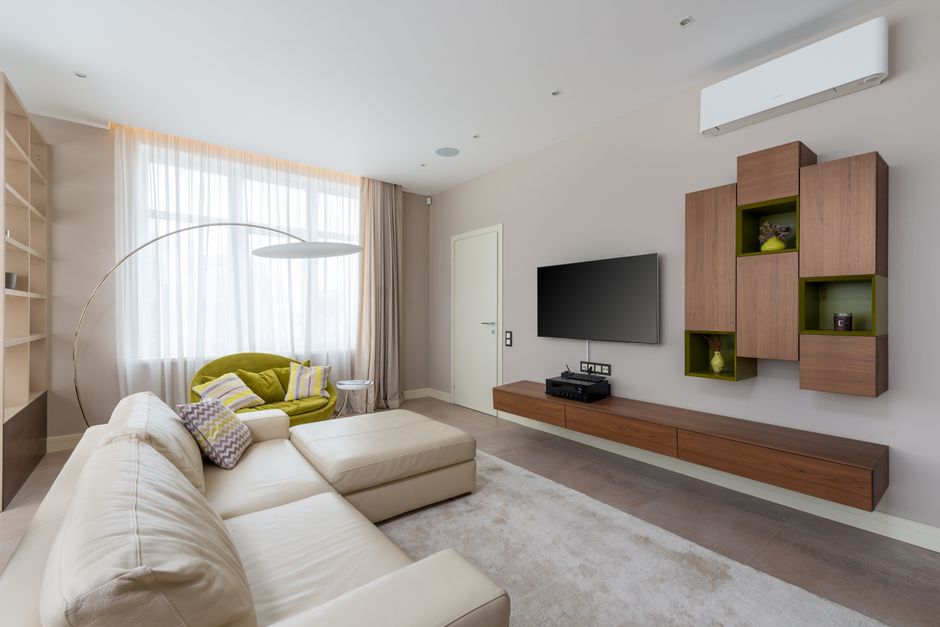
Choosing only wall mounts means you’re making a statement about design and integration into your living space. Unlike ceiling cassettes or floor-mounted units, wall-mounted mini splits are constantly in the line of sight, so their style, placement, and how the line sets run into them can either enhance or ruin the look of your gallery wall or your favorite reading nook.
Measuring and Placement Tips:
- Use cardboard cutouts: I always suggest taping cardboard in the exact dimensions of the head unit onto the wall at different heights and locations. This low-tech method helps you imagine how the unit will visually affect your space.
- Think about wall art and electrical outlets: Plan wall mounts so they don’t overtake artwork or block switch plates.
- Consider the line hide view: The refrigerant and electrical line runs will often be chased down exterior walls. Step out into your patio or yard and take a walk around to see how the shrouded line hides will look once installed — sloppily bundled cables or convoluted lines can ruin the effect quickly.
**Zone Air's Build Your Own tool** allows you to customize head models with pretty neat options on both look and size, which helps make sure your choices don’t crimp your design dreams.
3. Line Set Strategy and Leak Risk
This is where many DIYers get their knickers in a twist: The refrigerant piping connecting the outdoor condenser to the wall-mounted indoor air handlers.
Why Does Line Set Matter So Much?
- Line sets are vulnerable to leaks if poorly connected or bent excessively.
- Longer runs can cause refrigerant pressure drops, reducing efficiency.
- Appearance on your exterior walls can impact curb appeal.
MRCOOL shines here due to their quick connect fittings which eliminate the brazing step, sealing the line sets cleanly and reliably even for a rookie. This honest-to-goodness innovation allows for neat coils during installation (careful not to overtighten your coiling!) and easier de-install or moves.
Zone Air systems, meanwhile, use standard line sets requiring professional brazing and evacuation. This increases leak risk if you attempt without proper tools or expertise. That said, Zone Air’s customization lets you select line set lengths precisely, so you minimize waste and unnecessary coil-ups, which is good practice.
Pro Tip:
When planning your wall-mount layout, always keep in mind:
- Minimize line set length by placing wall units closest to the condenser at an exterior wall.
- Use insulated line sets along shaded, covered paths to reduce efficiency loss.
- Plan the line route so it can be concealed inside existing or newly-built chaseways.
4. Mixing Air Handler Types on One Condenser
One of the cool things about Zone Air is their Build Your Own tool, which makes mixing different air handler styles on one condenser quite feasible. For example, you could pair wall mounts with a ceiling cassette in another room, or even a ceiling-concealed ducted unit to keep certain areas discreet.
MRCOOL, by contrast, has more catalog-style combos where you choose the specific model with an already matched air handler set. This can make mixing types tricky unless you're ready to purchase separate condensers, which isn't always cost-effective.
Why does this matter?
- If your home has different ceilings, plaster walls, or architectural quirks, mixing units tailored to each room’s vibe keeps both appearance and airflow optimal.
- It also allows flexibility as your needs change, optimizing energy use by only running specific zones as desired.
Pioneer, as a more traditional brand, typically requires professional design engineers to spec mixed systems properly, so they’re less DIY-friendly but often offer wider model variety.
Summary: Which Should You Choose?
Consideration MRCOOL (True DIY Wall Mounts) Zone Air (Custom Builder) Pioneer (Traditional, Pro Install) Ease of True DIY Installation High with quick connect fittings Medium – needs some skills and possible pro help Low, pro install only Customization of Wall-Mount Layout Limited to preset combos Highly customizable via Build Your Own tool Varies, typically custom engineered Aesthetic Placement Flexibility Good but less flexible model choices Excellent, select exactly what you want Good, requires pro consultation Line Set Leak Risk Lower due to quick connect tech Higher, unless professionally brazed Low, professional brazing standard Mixing Air Handler Types on One Condenser Limited Very flexible Possible but complexFinal Thoughts
Wall-mounted mini splits are a beautiful way to upgrade your home’s HVAC without sacrificing style, but they require strategic planning on installation routes, aesthetics, and line set handling. If you’re a die-hard DIYer searching for a truly plug-and-play experience, MRCOOL’s DIY features and quick connect fittings are hard to beat.
If you’re a bit more adventurous with your home layout and want complete control over your wall-mount layout, the Zone Air Build Your Own tool is an excellent way to customize your system — just remember that professional help might still be required to execute flawlessly.
And if you want the peace of mind that comes with traditional, licensed HVAC installation and don’t mind hiring pros, Pioneer offers plenty of options balancing performance and appearance.
Whichever route you choose, use cardboard cutouts to test placement, plan your line sets carefully from the patio view, and always consider local electrical and HVAC codes before popping open your wall.
Happy cooling (or heating)!